
What is an Invoice Factoring Broker?
An invoice factoring broker, sometimes referred to as a factor broker, is a company or individual that facilitates the sale of a company’s accounts receivable (invoices) to a factoring company. While it may sound technical, it’s actually quite simple, and anyone can be one. We’ll dig into the specifics on how factoring works and what’s involved in being a factoring broker below.
How Invoice Factoring Works
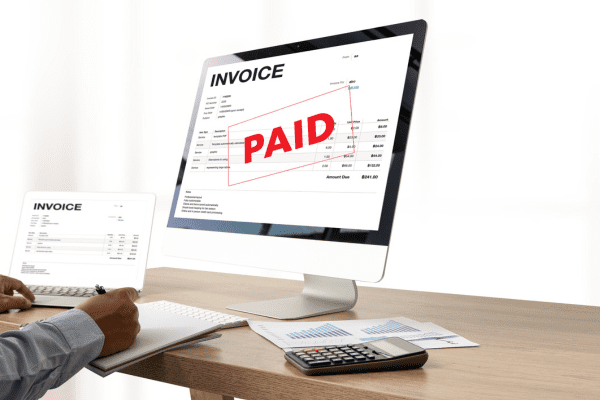
Accounts receivable represent unpaid invoices that a company is owed for goods and services that have been sold. The process of buying these unpaid invoices is called factoring (also known as invoice factoring or accounts receivable factoring), and the companies doing the buying are called factors or factoring companies.
Invoice factoring allows businesses the opportunity to accelerate payments they expect to receive on unpaid accounts receivable. You can think of invoice factoring services as a convenient alternative to a traditional bank loan that provides business owners with access to immediate cash flow to cover essential operating expenses such as payroll, inventory, and maintenance.
Why Businesses Use Invoice Factoring
Companies choose to sell accounts receivable when they want to take advantage of the hidden cash stored in their unpaid invoices. In order to tap into this cash, the businesses will offer the unpaid accounts receivable for sale at a discount.
An invoice factoring client can receive immediate cash for its invoices. This can be helpful for a company that is having financial troubles or is simply looking to eliminate cash shortages. It works especially well for businesses that have receivables for large amounts of money.
How Factoring Works
The factoring process typically follows these steps:
- Approval for Factoring: Businesses sign up with a factoring company first. Most B2B companies qualify because approval is based on the payment history of their clients. Even those without strong credit histories and startups can be approved.
- Issue an Invoice: After delivering goods or services, the business sends its customer an invoice with standard payment terms, meaning the payment is usually due in 30 to 90 days.
- Submit Invoices for Factoring: The business chooses which invoices to factor and sends them to their factoring company for review and approval.
- Receive an Advance: Once approved, the business receives a cash advance for most of the invoice value. Payment usually arrives within one to two business days.
- Customer Payment: The customer pays the invoice directly to the factoring company, following the original terms.
- Final Payment: After the invoice is paid in full, the remaining balance, minus the factoring fee, is transferred to the business.
What Factoring Brokers Do
Brokers in other industries, like insurance, often have hands-on knowledge and provide advice about policies. Factoring brokers don’t usually have this same level of involvement. Instead, they typically just introduce the business to a factoring company that can help them.
A good factoring broker will also give the prospective client some background on how factoring works and what makes the factoring company they’re recommending stand out from others.
If I Want Factoring Services, Do I Need to Work with a Factoring Broker?
Businesses are not required to work with a broker to obtain factoring services. Brokers simply introduce business leaders to the idea of factoring and connect them with factoring companies when the opportunity presents itself. If you operate a business and are exploring factoring, you can learn more and kickstart the process by requesting a complimentary rate quote.
Who Can Become a Factoring Broker
Working as a factoring broker might be appealing to someone who enjoys finance, sales, and marketing. However, a lot of professionals become brokers simply because they work in an industry where they’re in contact with B2B business leaders who routinely struggle with cash flow. For instance, many dispatchers become brokers for freight factoring companies. Bankers sometimes refer to factoring companies as well, particularly when they want to retain a client but their financing solutions are not a good fit. Accountants, bookkeepers, and lawyers also frequently serve as factoring brokers.
It’s helpful to review factoring broker training materials before getting started. These can provide you with additional details about the process and how the factoring company you’re partnering with works.
Why Professionals Become Factoring Brokers
Many professionals become a factoring broker simply because it allows them to provide additional value to businesses they serve or help business owners they know thrive.
However, brokers are typically paid for their referrals as well. Although the commission varies depending on the factoring company, brokers often receive a portion of the revenue generated by the client, either on the first invoice that’s factored or on an ongoing basis. Brokering factoring deals works well in any economy, including during times of recession or financial hardship, when many businesses are looking for financing help, so it often helps brokers diversify their income streams.
Get Started as an Invoice Factoring Broker
If you’re interested in becoming a factoring broker, Charter Capital’s Referral Partner Program may be a good fit. We offer one of the most robust commission structures in the industry, with ongoing payments for the life of your referral and top-notch service for any clients you refer. To learn more, visit our Referral Partner Program page.

- What is an Invoice Factoring Broker? - July 17, 2022
- 7 Tips for Buying Out a Business Partner or Majority Owner - May 13, 2022
- 6 Leadership Secrets Every Small Business Owner Should Know - December 9, 2021
